Buying a Home in Morgan Hill as a South Bay Commuter
March 24, 2026
March 24, 2026
Thinking about buying in Morgan Hill so you can enjoy more space without losing touch with your South Bay job? You’re not alone. Many buyers look south for yards, trails, and a relaxed small‑city feel while keeping a workable commute. In this guide, you’ll get a clear picture of commute options, neighborhoods that make travel easier, current price context, and smart ways to compete for the right home. Let’s dive in.
Morgan Hill sits at the southern edge of Silicon Valley with direct access to US‑101 and a downtown Caltrain stop. The city’s mean one‑way travel time is in the mid‑30s minutes, reflecting both short South Bay trips and longer Peninsula commutes. According to a community planning brief, residents average roughly 33–35 minutes to work, which aligns with the mix of job destinations in the region. You can review that commute context in the city’s mobility planning materials from the Metropolitan Transportation Commission.
Who tends to thrive here? Buyers who value space and a quieter South County lifestyle and are comfortable with a 30 to 70 minute one‑way commute depending on time of day and destination. If you work hybrid or remote part of the week, the tradeoff becomes even easier.
US‑101 is your primary northbound route into San Jose and the rest of the Valley, with SR‑85 and I‑280 as connections to parts of the Peninsula. Off‑peak drives to central San Jose can be under 30 minutes; peak periods often stretch to 45–70 minutes depending on incidents and destination. Managed express lanes on segments of US‑101 and SR‑85 can cut time for solo drivers for a toll, which you can preview through the Valley Transportation Authority’s express lanes program. For ballpark comparisons, tools like TravelMath show roughly 25–40 minutes to downtown San Jose in typical conditions, but peak congestion can double that. Always test your exact origin and destination at real commute times.
Morgan Hill’s downtown station connects to Caltrain’s South County service. Service is limited to a small number of weekday peak‑direction trains, with several northbound morning and southbound evening runs. Electrification has improved trip times for some runs, but frequency is still the key constraint. You’ll want to match your schedule to the current timetable and note whether a transfer at Tamien or Diridon is required. Check the latest South County schedule directly before you plan a rail‑reliant routine.
Valley Transportation Authority provides useful bus links through South County. Rapid 568 runs between Gilroy and San Jose Diridon via Monterey Road with roughly 30‑minute weekday frequency, and VTA operates additional express services to major job centers. Park‑and‑ride capacity at the Morgan Hill Caltrain station is meaningful, but confirm current lot conditions and schedules before you commit.
Tip: Run sample trips at 8:00 AM and 5:00 PM on a weekday using your exact office address to get realistic door‑to‑door times. Repeat on different days to capture variability.
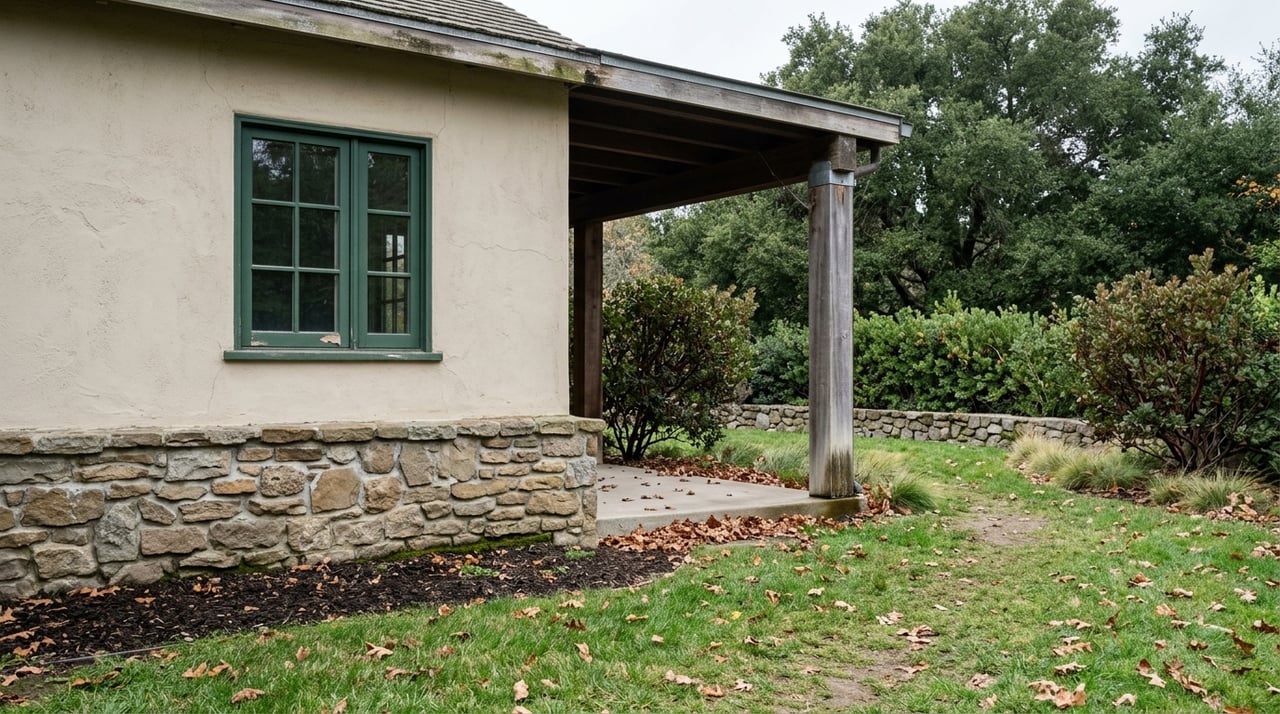
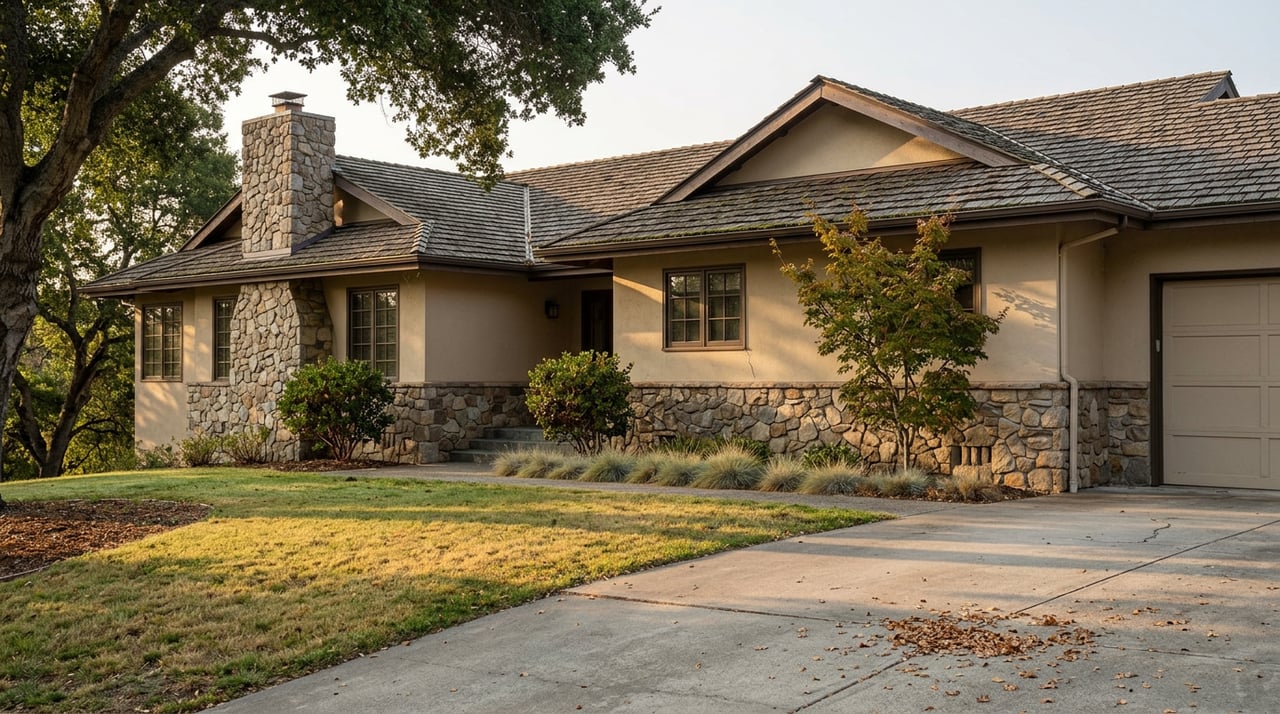
Morgan Hill’s housing stock skews heavily to single‑family homes. City planning documents show roughly three‑quarters of local housing is detached, with a smaller share of townhomes, condos, and mobile homes. Many neighborhoods were built between the mid‑20th century and the late 1990s, with newer infill and subdivisions added in recent years. The single‑family tilt means more choices for buyers who want yards and bedrooms, and fewer lower‑maintenance condo or townhome options at any given time.
Recent snapshots from early 2026 show median home values and list prices in Morgan Hill generally clustering between about 1.2 million and 1.6 million dollars depending on the data source and whether you look at closed sales or active listings. One portal reported a median sale price near 1.43 million dollars, another showed a typical home value around 1.33 million with median lists in the 1.55 to 1.59 million range. Because methodologies differ, expect “the” number to vary across trackers in any given week. For most move‑up single‑family homes, plan for list and sale prices in the 1.2 to 2.5 million range based on size, condition, and location. Condos and townhomes are usually lower priced, though inventory is tighter and medians vary widely by community.
Market velocity has also been moderate to brisk. In recent snapshots, some trackers reported a median of around 2 to 3 weeks from list to pending for typical homes, with competition varying by price band. Lower‑priced properties can draw more offers, while well‑priced move‑up homes might see steady but manageable interest. Check fresh local MLS data when you are ready to write an offer.
If you plan to use Caltrain, living near downtown and the Morgan Hill station on Depot Street makes rail more practical. You’ll also enjoy walkable dining and services. The tradeoff is smaller lots compared to more outlying areas.
Homes with quick access to on‑ramps for US‑101 can make a daily drive more predictable. Being close to Butterfield Boulevard, Cochrane Road, or East Dunne Avenue often shortens your time to the freeway. For bus riders, access to Monterey Road can make Rapid 568 connections easier.
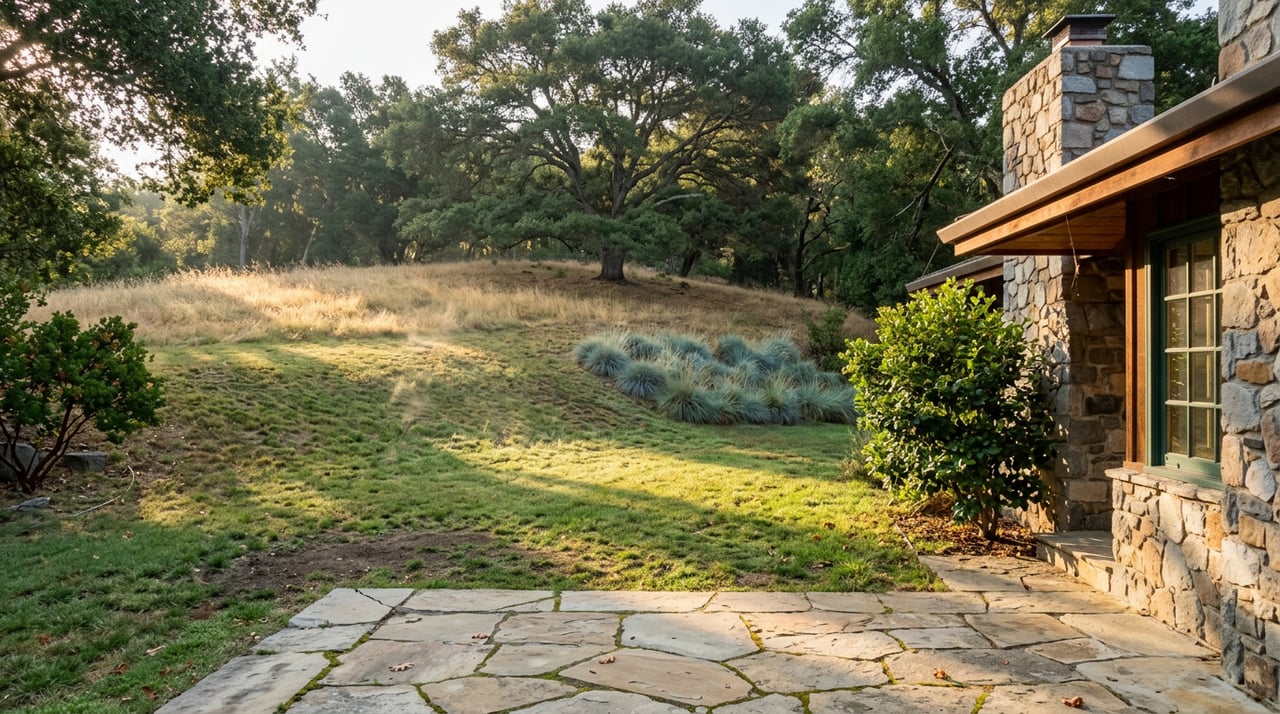
If you want more land and privacy, hillside or semi‑rural locations around the valley edges can be appealing. Keep in mind you’ll add local drive time to reach US‑101 or Monterey Road, so test your door‑to‑door commute carefully.
Aim for full pre‑approval or even pre‑underwriting, not just a quick pre‑qual. Have updated proof of funds ready for your down payment and any earnest money. In a competitive market, sellers take buyers more seriously when financing is solid and the path to close is clear.
Price matters, but clean terms can make the difference. Consider an escalation clause capped at a number you’re comfortable with. This can help you outpace another offer without grossly overbidding. For guidance on using escalation clauses strategically, review practical explanations from lending industry resources.
Appraisal‑gap protection can also help if the price ends up above recent comps. You can offer to cover a specific shortfall amount in cash if the appraisal comes in low, but be sure your lender confirms the impact on your loan and that you are comfortable with the extra funds required. For a plain‑English overview of bidding‑war tactics and risks, see this buyer guide.
Shortening inspection timelines to 5–10 days can keep you competitive while preserving core protections. Fully waiving inspections or appraisal contingencies increases risk and should be weighed carefully with your agent and lender. The goal is to show sellers you can close while avoiding preventable surprises.
If you need to sell to buy, plan the sequence early. Some buyers negotiate a home‑sale contingency with tight timelines, while others explore bridge financing to buy first, then sell. Sellers usually prefer non‑contingent offers, so strong preparation and a realistic backup plan are key.
Many buyers ask whether they should write personal letters to sellers. Because of fair‑housing concerns, these letters are discouraged by many professionals and may be restricted by local rules. Keep your focus on the property and your offer terms. For a balanced overview of best practices in multiple‑offer settings, consult the National Association of Realtors guidance.
Use this list to keep your search focused and your commute realistic.
Buying in Morgan Hill can deliver space, sunshine, and a manageable commute if you pick the right neighborhood and plan your travel. Start by testing your route, deciding your commute comfort zone, and clarifying your budget with a lender. When you are ready to tour, work with a local expert who knows South County and the South Santa Clara corridor and can help you weigh each home through a commuter lens. If you want a calm, step‑by‑step plan and a search tailored to your schedule and goals, connect with KIMBERLY MACIAS to get started.
According to city planning research on commute patterns, Morgan Hill’s average one‑way commute times fall in the mid‑30‑minute range. Review Caltrain’s South County schedule for current train options, check Morgan Hill Caltrain station details for parking and amenities, and preview Rapid 568’s alignment. For routes and tolling, see VTA’s Silicon Valley Express Lanes, and for ballpark drive times compare a Morgan Hill to San Jose example. Explore the city’s housing composition to understand local inventory. For offer strategy, consult NAR’s multiple‑offers field guide and this clear overview of bidding‑war tactics and risks.

Get assistance in determining current property value, crafting a competitive offer, writing and negotiating a contract, and much more. Contact me today.