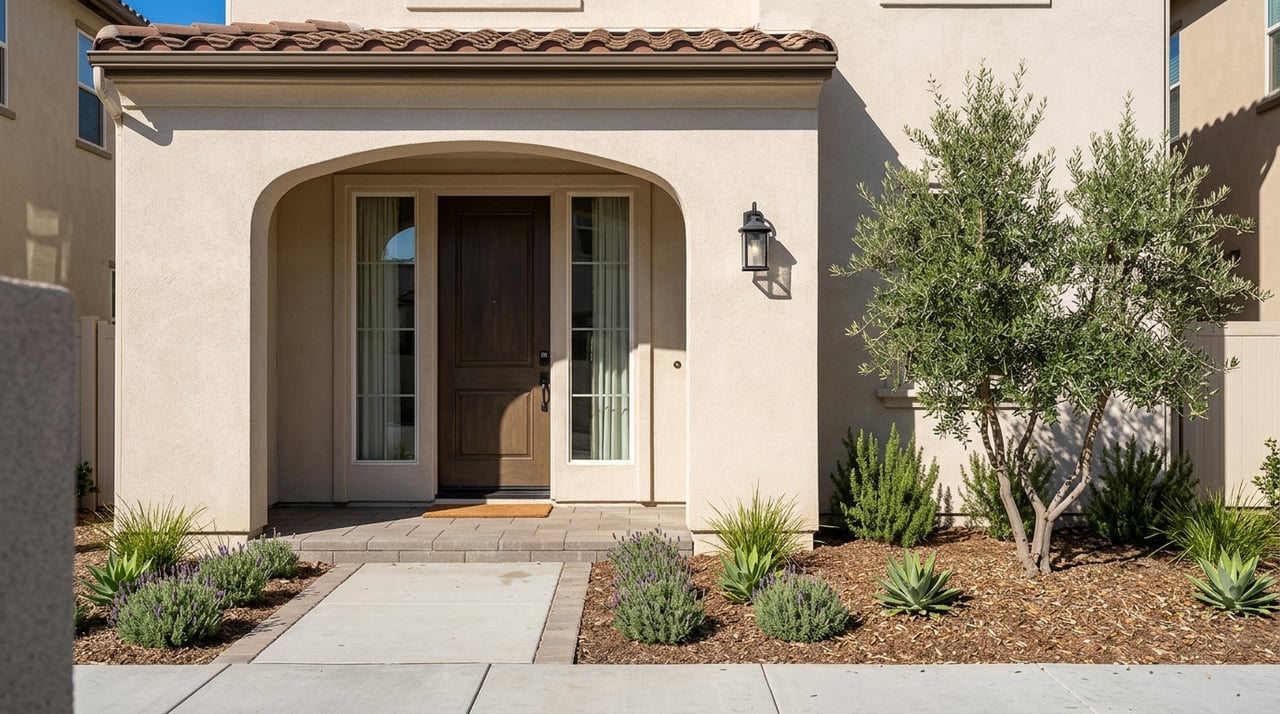
Selling Your Morgan Hill Home When You Live Out Of Area
April 16, 2026
April 16, 2026
Selling a home from out of town can feel like trying to manage a moving target from miles away. You may be wondering how to handle prep work, inspections, signatures, and buyer activity without being in Morgan Hill yourself. The good news is that with the right local plan, you can stay informed, protect your sale, and keep the process moving smoothly. Let’s dive in.
Morgan Hill remains a high-value market, but that does not mean you can afford to be hands-off. Recent February 2026 data shows strong pricing, with sources reporting median prices from $1.435 million to $1.55 million, along with relatively short market times ranging from 18 to 29 days depending on the dataset. Together, those numbers suggest buyer interest is there, but pricing, presentation, and execution still matter.
For an out-of-area seller, that means your home needs more than just an MLS entry. You need a local strategy for access, prep, disclosures, inspections, and communication so buyer interest turns into a clean closing.
If you are selling from outside the area, speed can be helpful, but it should not create a false sense of ease. According to Redfin’s Morgan Hill housing market data, homes sold in a median of 18 days in February 2026, while the Santa Clara County Association of REALTORS® reported an average of 29 days on market for single-family homes.
Those numbers show that well-prepared homes can move, but they also leave little room for delays caused by missed inspections, slow vendor scheduling, or incomplete paperwork. When you live elsewhere, having someone local to keep every step on track becomes especially important.
A remote sale usually works best when you treat preparation like a project, not a last-minute scramble. Before your home goes live, you want a clear plan for condition, access, paperwork, and marketing.
A practical remote-selling plan often includes:
This kind of workflow makes sense in any market, but it is especially useful in Morgan Hill where local inspections and city compliance steps can affect the sale timeline.
If you own a single-family home, California generally requires a Real Estate Transfer Disclosure Statement under Civil Code Section 1102. In simple terms, you are expected to disclose known conditions, defects, and hazards related to the property. The law also requires the agent to conduct a visual inspection and disclose readily observable issues.
That matters even more when you live out of area. If you have not been in the home recently, you may need help documenting current condition, identifying visible concerns, and gathering repair or maintenance records so your disclosures are complete and accurate.
Hazard disclosures can also apply depending on the parcel and your knowledge of the property, including mapped flood areas, fire hazard severity zones, earthquake fault zones, seismic hazard zones, or state responsibility areas. A remote seller should be prepared for a more detailed disclosure review, not a lighter one.
One of the most important local issues for a remote seller is Morgan Hill’s point-of-sale utility inspection process. The city states that sellers must complete private sewer lateral and plumbing fixture inspections before sale, depending on the age of the property.
In general, private sewer lateral inspections apply to properties more than 15 years old. Plumbing fixture inspections apply to properties built on or before January 1, 1994. If the property passes, the city issues a Certificate of Compliance within five business days.
If the property does not pass, the seller and buyer may sign and notarize a Transfer of Responsibility form. In that case, the buyer has 180 days after water service is turned on to complete the repairs. The city also notes that permits may be required for repairs, which can add another layer of coordination for an owner who is not nearby.
When you do not live in Morgan Hill, small property issues can become big delays if no one is available to manage them. Sewer lateral follow-up, plumbing updates, cleaning, repairs, and photographer access all require someone to be on the ground and organized.
That is one reason communication matters as much as pricing. A strong local listing partner helps keep the property moving from one step to the next, confirms that work is done, and reduces the back-and-forth that often slows down absentee-owner sales.
Remote selling is not unusual anymore, but it still rewards quality. According to the National Association of REALTORS® 2025 home staging snapshot, 83% of buyers’ agents said staging made it easier for buyers to visualize a property as a future home.
NAR also reported that 6% of buyers purchased a home based only on a virtual tour, showing, or open house without physically seeing it. That does not mean every buyer will purchase sight unseen, but it does show how important strong visuals and clear presentation have become.
For you as a seller, that means professional photos, video, and thoughtful presentation are not extras. They are core tools that help buyers understand the home before they ever step through the door.
Many sellers assume an out-of-area closing can be handled entirely by webcam. In California, that is not always the case. The California Secretary of State notary FAQs explain that a person still must appear personally before a notary for acknowledgments or jurats, and a video image is not considered personal appearance under current California law.
The same guidance notes that California’s remote online notarization law is being implemented in stages and does not yet have significant public impact because full operation will not occur until the required technology project is complete or January 1, 2030, whichever comes first. In practical terms, some closing documents may still require traditional in-person or mail-away notarization.
If you are planning a sale from another city or another state, it helps to expect at least some document logistics ahead of time. That way, notarization does not become a last-minute surprise.
Remote transactions can create more opportunities for scams if communication is not tightly controlled. The California Department of Real Estate warns consumers about business email compromise, deed or title fraud, foreclosure scams, and related crimes.
Their guidance includes practical steps that matter for any absentee seller:
The safest approach is a simple one. Use one verified escrow contact, confirm any changes by phone using trusted contact information, and never act on last-minute wire changes based only on email.
When you live outside the area, it is also smart to verify property records before listing and make sure the right mailing address is on file. The Santa Clara County Assessor provides parcel information that can help you confirm basic property details such as assessed value and APN.
The county also explains that address changes must be signed by an authorized party, and that the Preliminary Change of Ownership Report is typically completed in escrow and accompanies the deed when recorded. For a remote seller, these details matter because missed mail or outdated records can create confusion during and after closing.
If you want your Morgan Hill sale to feel manageable from a distance, focus on the parts of the process that affect timing and risk the most. A clear system usually matters more than trying to personally control every detail from afar.
Your top priorities should be:
When those pieces are handled well, selling from out of area becomes much more predictable.
You do not need to be in Morgan Hill every day to sell successfully, but you do need a reliable local plan. In a market where homes can attract attention quickly, the sellers who stay organized tend to be the ones who protect their timeline, reduce stress, and make stronger decisions.
If you are getting ready to sell your Morgan Hill home while living elsewhere, KIMBERLY MACIAS can help you create a practical step-by-step plan for prep, marketing, communication, and closing.

Home buying tips
What Today’s Housing Market Means for Buyers in Santa Clara, Monterey & San Benito Counties

Local Events Community Hollister Gilroy Morgan Hill San Jose Lifestyle Things To Do Memorial Day Bay Area Living South County Living Weekend Guide
Your local guide to Memorial Day weekend events, family activities, live music, festivals, food, and fun happening across South County and the South Bay.
Get assistance in determining current property value, crafting a competitive offer, writing and negotiating a contract, and much more. Contact me today.